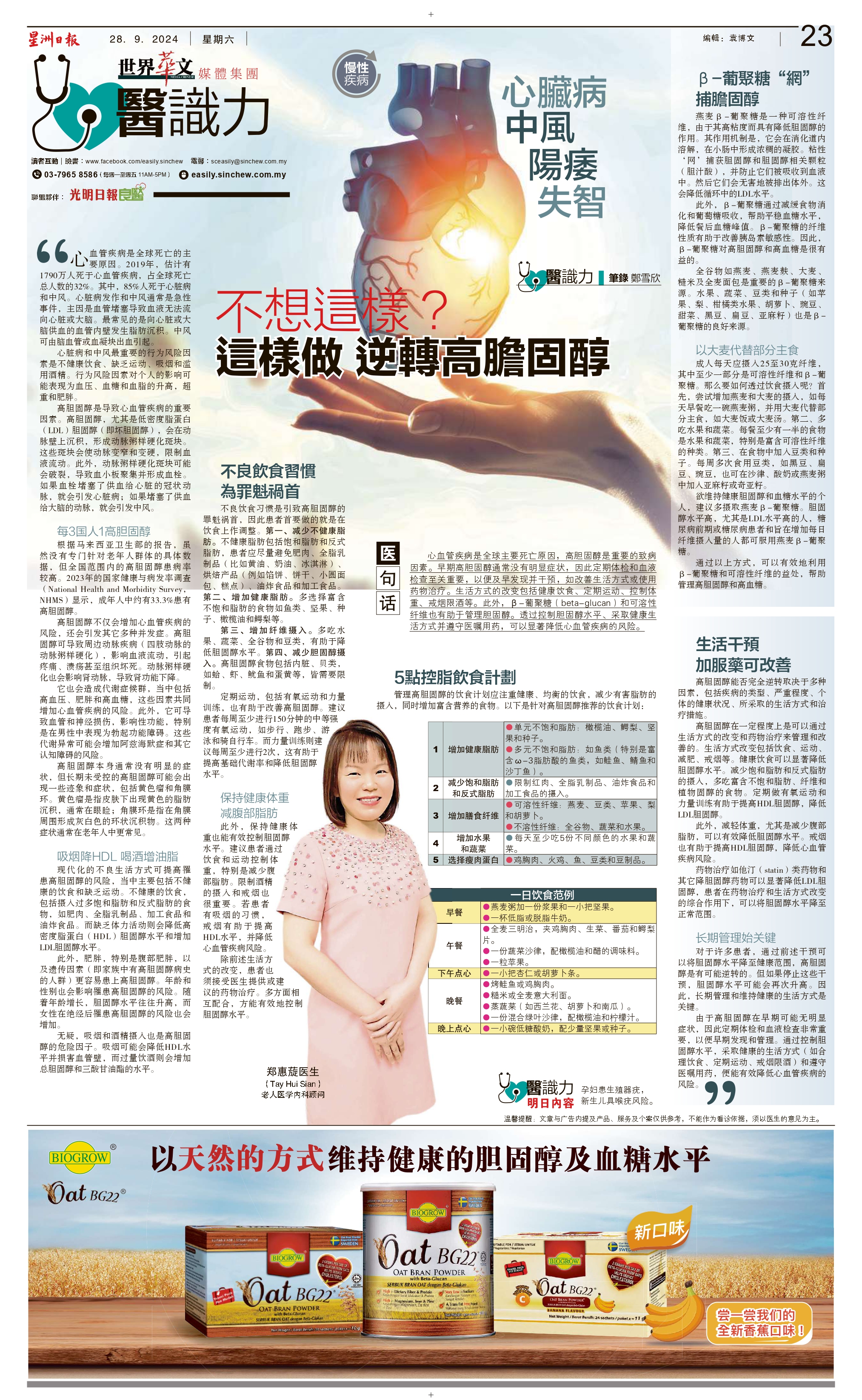
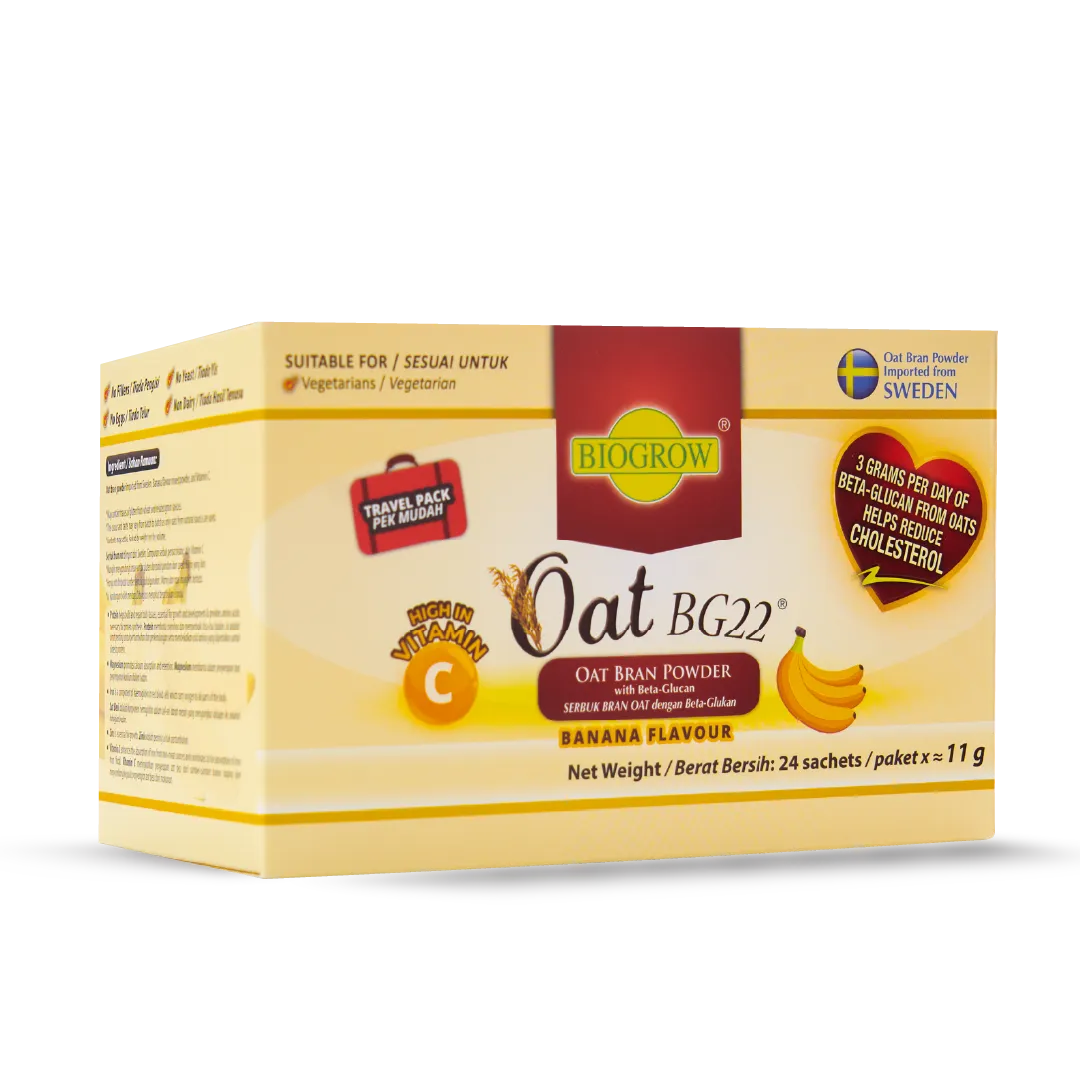
Our appearance in Sin Chew Daily Showcasing our New Biogrow Oat BG22 with Banana Flavour on 28/9/2024 In Conjunction with World Heart Day – Perfect for Lowering Cholesterol and Glucose Levels
Don't Want This? Do This to Reverse High Cholesterol
Heart Disease, Stroke, Impotence, Dementia
Medical Literacy | Transcribed by Zheng Xuexin
Dr. Tay Hui Sian Geriatric Medicine Consultant
"Cardiovascular disease is the leading cause of death globally. In 2019, an estimated 17.9 million people died from cardiovascular disease, accounting for 32% of all global deaths. Of these, 85% died from heart attacks and stroke."
Cardiovascular disease is the leading cause of death worldwide. In 2019, an estimated 17.9 million people died from cardiovascular disease, accounting for 32% of all global deaths. Of these, 85% died from heart attacks and stroke. Heart attacks and strokes are usually acute events, primarily caused by blockages that prevent blood from flowing to the heart or brain. The most common cause is fatty deposits building up on the inner walls of blood vessels supplying the heart or brain. Strokes can also be caused by bleeding from brain blood vessels or blood clots.
The most important behavioural risk factors for heart disease and stroke are unhealthy diet, lack of exercise, smoking, and alcohol abuse. The effects of behavioural risk factors on individuals may manifest as elevated blood pressure, blood sugar, and blood lipids, as well as overweight and obesity.
High cholesterol is a major factor contributing to cardiovascular disease. High cholesterol, especially low-density lipoprotein (LDL) cholesterol (bad cholesterol), deposits on arterial walls, forming atherosclerotic plaques. These plaques narrow and harden the arteries, restricting blood flow. Additionally, atherosclerotic plaques may rupture, causing platelets to aggregate and form blood clots. If a clot blocks the coronary arteries supplying the heart, it causes a heart attack; if it blocks arteries supplying the brain, it causes a stroke.
1 in 3 Malaysians Has High Cholesterol
According to the Malaysian Ministry of Health, although there are no specific data targeting the elderly population, the nationwide prevalence of high cholesterol is quite high. The 2023 National Health and Morbidity Survey (NHMS) showed that approximately 33.3% of adults have high cholesterol.
High cholesterol not only increases the risk of cardiovascular disease but can also trigger various other complications. High cholesterol can lead to peripheral artery disease (atherosclerosis of limb arteries), affecting blood flow and causing pain, ulcers, and even tissue necrosis. Atherosclerosis can also affect renal arteries, leading to decreased kidney function.
It can also cause metabolic syndrome, which includes high blood pressure, obesity, and high blood sugar — these factors collectively increase cardiovascular disease risk. Additionally, it can cause vascular and nerve damage, affecting sexual function, particularly manifesting as erectile dysfunction in men. These metabolic abnormalities may increase the risk of Alzheimer's disease and other cognitive disorders.
High cholesterol itself usually has no obvious symptoms, but long-term uncontrolled high cholesterol may present some signs and symptoms, including xanthomas and corneal arcus. Xanthomas are yellow fatty deposits under the skin, usually on the eyelids; corneal arcus is a greyish-white ring-shaped deposit around the cornea. Both symptoms are more common in the elderly.
Smoking Lowers HDL; Alcohol Increases Lipids
Modern unhealthy lifestyles can increase the risk of high cholesterol, primarily including unhealthy diet and lack of exercise. Unhealthy diets include excessive intake of saturated fats and trans fats, such as fatty meats, full-fat dairy products, processed foods, and fried foods. Lack of physical activity lowers HDL (high-density lipoprotein) cholesterol levels and increases LDL cholesterol levels.
Additionally, obesity, particularly abdominal obesity, and genetic factors (i.e., those with a family history of high cholesterol) make it easier to develop high cholesterol. Age and gender also affect the risk. As age increases, cholesterol levels tend to rise, and women's risk of high cholesterol increases after menopause.
Undoubtedly, smoking and alcohol consumption are also risk factors for high cholesterol. Smoking may lower HDL levels and damage blood vessel walls, while excessive drinking increases total cholesterol and triglyceride levels.
Unhealthy Eating Habits Are the Main Culprit
Unhealthy eating habits are the main culprit behind high cholesterol, so the first thing patients should do is adjust their diet. First, reduce unhealthy fats. Unhealthy fats include saturated and trans fats — patients should avoid fatty meats, full-fat dairy products (such as butter, cream, ice cream), baked goods (such as pies, biscuits, muffins, pastries), fried foods, and processed foods.
Second, increase healthy fats. Choose foods rich in unsaturated fats such as fish, nuts, seeds, olive oil, and avocado.
Third, increase fibre intake. Eat more fruits, vegetables, whole grains, and legumes to help lower cholesterol levels. Fourth, reduce cholesterol intake. High-cholesterol foods include organ meats, shellfish such as clams, shrimp, squid, and egg yolks — all should be limited.
Regular exercise, including aerobic exercise and strength training, also helps improve high cholesterol. It is recommended that patients engage in at least 150 minutes of moderate-intensity aerobic exercise per week, such as walking, running, swimming, and cycling. Strength training is recommended at least twice per week, which helps increase basal metabolic rate and lower cholesterol levels.
Maintain a Healthy Weight, Reduce Abdominal Fat
Additionally, maintaining a healthy weight can effectively control cholesterol levels. Patients are advised to control weight through diet and exercise, particularly reducing abdominal fat. Limiting alcohol intake and quitting smoking are also important. If patients smoke, quitting helps raise HDL levels and reduce cardiovascular disease risk.
Beyond the aforementioned lifestyle changes, patients should also undergo medical treatment as prescribed or recommended by doctors. Multiple approaches working together can effectively control cholesterol levels.
β-Glucan "Net" Captures Cholesterol
Oat β-glucan is a soluble fibre that has cholesterol-lowering effects due to its high viscosity. Its mechanism of action is: it dissolves in the digestive tract and forms a thick gel in the small intestine. The viscous "net" captures cholesterol and cholesterol-related particles (bile acids) and prevents them from being absorbed into the bloodstream. They are then harmlessly excreted from the body. This lowers circulating LDL levels.
Additionally, β-glucan helps stabilise blood sugar levels by slowing food digestion and glucose absorption, reducing post-meal blood sugar spikes. The fibre properties of β-glucan help improve insulin sensitivity. Therefore, β-glucan is very beneficial for high cholesterol and high blood sugar.
Whole grains such as oats, oat bran, barley, brown rice, and whole wheat bread are important sources of β-glucan. Fruits, vegetables, legumes, and seeds (such as apples, pears, citrus fruits, carrots, peas, beetroot, black beans, lentils, flaxseeds) are also good sources of β-glucan.
Substitute Part of Staple Foods with Barley
Adults should consume 25 to 30 grams of fibre daily, of which at least a portion should be soluble fibre and β-glucan. How can this be achieved through diet? First, try to increase oat and barley intake — for example, eat a bowl of oatmeal for breakfast daily and substitute part of staple foods with barley, such as barley rice or barley soup. Second, eat more fruits and vegetables. At least half of each meal should be fruits and vegetables, especially those rich in soluble fibre. Third, add legumes and seeds to your diet. Consume legumes multiple times per week, such as black beans, lentils, and peas, and add flaxseeds or chia seeds to salads, yoghurt, or oatmeal.
Individuals wishing to maintain healthy cholesterol and blood sugar levels are advised to consume more oat β-glucan. Those with high cholesterol levels (especially high LDL), pre-diabetics or diabetics, and those aiming to increase daily fibre intake can all benefit from oat β-glucan.
Through the above methods, the benefits of β-glucan and soluble fibre can be effectively utilised to help manage high cholesterol and high blood sugar.
Lifestyle Intervention Plus Medication Can Improve
Whether high cholesterol can be completely reversed depends on multiple factors, including the type and severity of the condition, the individual's health status, and the lifestyle and treatment measures adopted.
High cholesterol can, to a certain extent, be managed and improved through lifestyle changes and medication. Lifestyle changes include diet, exercise, weight loss, and smoking cessation. A healthy diet can significantly lower cholesterol levels — reducing saturated and trans fat intake and eating more foods rich in unsaturated fats, fibre, and plant sterols. Regular aerobic exercise and strength training help raise HDL cholesterol and lower LDL cholesterol.
Additionally, losing weight, especially reducing abdominal fat, can effectively lower cholesterol levels. Quitting smoking also helps raise HDL cholesterol and reduce cardiovascular disease risk.
Medications such as statins and other cholesterol-lowering drugs can significantly reduce LDL cholesterol. Under the combined effect of medication and lifestyle changes, patients can bring cholesterol levels to normal range.
Long-term Management Is Key
For many patients, cholesterol levels can be brought to a healthy range through the aforementioned interventions — high cholesterol is potentially reversible. However, if these interventions are stopped, cholesterol levels may rise again. Therefore, long-term management and maintaining a healthy lifestyle are key.
Since high cholesterol may not present obvious symptoms in the early stages, regular physical examinations and blood tests are very important for early detection and management. By controlling cholesterol levels, adopting a healthy lifestyle (such as a balanced diet, regular exercise, quitting smoking and limiting alcohol), and following medical advice for medication, the risk of cardiovascular disease can be effectively reduced.
5-Point Cholesterol-Control Diet Plan
A dietary plan for managing high cholesterol should focus on a healthy, balanced diet, reducing harmful fat intake while increasing nutrient-rich foods. The following is a recommended diet plan for high cholesterol:
1. Increase Healthy Fats ● Monounsaturated fats: olive oil, avocado, nuts, and seeds. ● Polyunsaturated fats: such as fish (especially those rich in omega-3 fatty acids, like salmon, mackerel, and sardines).
2. Reduce Saturated Fats and Trans Fats ● Limit intake of red meat, full-fat dairy products, fried foods, and processed foods.
3. Increase Dietary Fibre ● Soluble fibre: oats, legumes, apples, pears, and carrots. ● Insoluble fibre: whole grains, vegetables, and fruits.
4. Increase Fruits and Vegetables ● Eat at least 5 servings of different-coloured fruits and vegetables daily.
5. Choose Lean Proteins ● Chicken breast, turkey, fish, legumes, and soy products.
Sample Daily Diet
Breakfast ● Oatmeal porridge with a serving of berries and a small handful of nuts. ● A glass of low-fat or skimmed milk.
Lunch ● Whole wheat sandwich with chicken breast, lettuce, tomato, and avocado slices. ● A vegetable salad with olive oil and vinegar dressing. ● An apple.
Afternoon Snack ● A small handful of almonds or carrot sticks.
Dinner ● Grilled salmon or chicken breast. ● Brown rice or whole wheat pasta. ● Steamed vegetables (such as broccoli, carrots, and pumpkin). ● A mixed green leaf salad with olive oil and lemon juice.
Evening Snack ● A small bowl of low-sugar yoghurt with a small amount of nuts or seeds.
"High cholesterol can, to a certain extent, be reversed through lifestyle intervention and medication. By controlling cholesterol levels, adopting a healthy lifestyle, and following medical advice for medication, the risk of cardiovascular disease can be significantly reduced."
Medical Literacy — Tomorrow's Content: Pregnant women with genital warts pose a risk of laryngeal warts in newborns.
Warm reminder: Products, services, and cases mentioned in articles and advertisements are for reference only and should not be used as a basis for diagnosis. Medical advice from doctors should prevail.
[Advertisement at bottom]
BIOGROW Oat BG22®
Maintain Healthy Cholesterol and Blood Sugar Levels Naturally
New Flavour Try our brand new Banana Flavour!
Biogrow Oat BG22® Oat Bran Powder with HIGH Beta-Glucan Dietary Fiber & Protein