
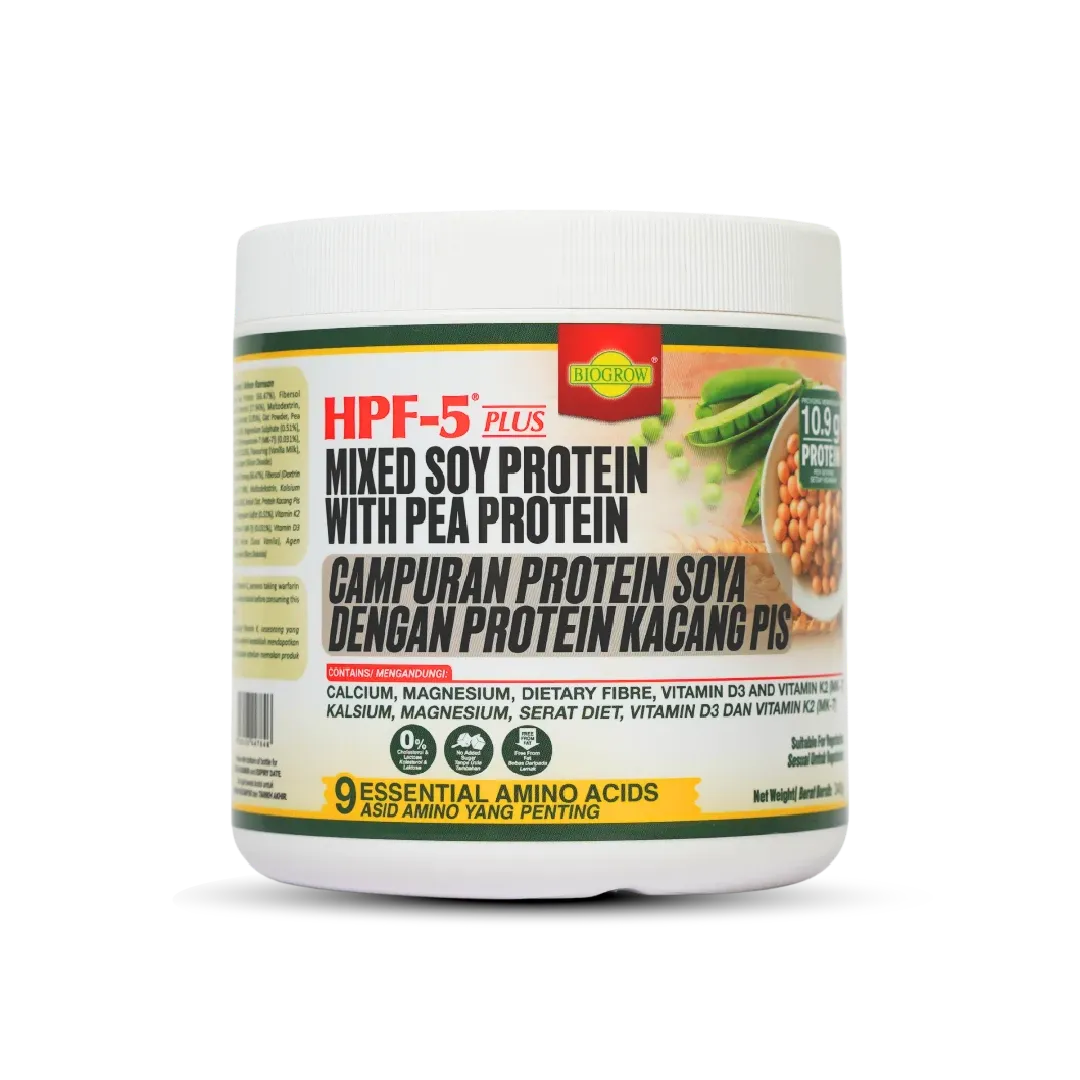
HPF-5 PLUS in Pumen Magazine
Elderly Health: Nutrition Comes First
Dr. Tay Hui San (郑惠蔙) Geriatrician and Internal Medicine Specialist Pantai Hospital Ayer Keroh, Melaka
Elderly Care Column
Affected by declining physiological functions and reduced food intake, elderly people are prone to nutrient deficiencies. Malnutrition can lead to chronic diseases, seriously affecting the health of the elderly.
Page 1
For the elderly, the saying "being able to eat is a blessing" could not be more fitting. As the body's functions deteriorate with age, loss of appetite is common. However, for senior citizens, adequate nutrition is the key to maintaining health. Nutrition is extremely important for the elderly. According to surveys, more than 50% of elderly people in our country suffer from malnutrition, and among hospitalized elderly patients, this proportion is as high as two-thirds.
Malnutrition generally refers to insufficient basic calories (energy produced by all food) or protein deficiency. An increasing number of elderly people frequently receive incorrect dietary guidance. Due to concerns about cholesterol, salt causing high blood pressure, and arteriosclerosis, they adopt vegetarian diets or restrict their food intake, eating too blandly, which leads to low blood sodium levels and loss of appetite. If anaemia symptoms are present, this can further affect gastrointestinal function, leading to poor digestion and absorption, creating a vicious cycle.
Clinically, in patients with infectious diseases and critical illnesses, adequate nutrition is a very important factor in recovery. For elderly people suffering from serious illnesses, if their condition deteriorates and they are also malnourished, it undoubtedly makes matters worse.
Causes of Malnutrition in the Elderly
The daily caloric intake for elderly people should be calculated at 30–35 kilocalories per kilogram of body weight. For example, if an elderly person weighs 60 kg, their minimum daily caloric intake should be 1,800 kilocalories; anything below this will result in malnutrition.
As age increases, the caloric requirements of the elderly gradually decrease. Generally speaking, after age 60, caloric intake decreases by 20%, and after age 70, it decreases by 30%. The nutritional needs of the elderly differ from other populations because elderly people have reduced physical activity, declining physiological functions, lower metabolic rates, and decreased ability of the digestive system to regulate and adapt. This series of physiological changes causes corresponding changes in the nutritional needs of the elderly.
Any illness can cause patients to lose their appetite — from the most common colds and diarrhoea to chronic diseases such as dementia, immune system diseases, AIDS, depression, diabetes, liver disease, heart disease, kidney disease, cancer, and so on — all of which can cause patients to experience reduced appetite or difficulty eating.
Patients with dementia, stroke, and Parkinson's disease are prone to malnutrition due to difficulty swallowing. Dementia may cause patients to forget to eat or be unable to cook food, leading to weight loss. Severely demented elderly patients cannot feed themselves and may refuse to be fed by others. Some diseases (such as malabsorption disorders) can impair the absorption of vitamins and minerals; surgery to remove parts of the digestive tract can also impair the absorption of vitamins and minerals.
Serious illness or tumours can cause loss of appetite, leading to insufficient food intake. On the other hand, after illness, the body's demand for nutrients and calories increases significantly. Some situations can dramatically increase caloric requirements, such as infections, injuries, overactive thyroid (hyperthyroidism), extensive burns, and persistent fever.
Nutrients Most Commonly Lacking in the Elderly
Due to the coexistence of multiple diseases, patients may be taking multiple medications simultaneously, and many medications have a significant appetite-suppressing effect. Moreover, the rate of adverse drug reactions is very high, with the most common being gastrointestinal reactions such as nausea, vomiting, diarrhoea, decreased appetite, and constipation, all of which increase the occurrence of malnutrition.
Additionally, due to ill-fitting dentures, gum disease, loose or missing teeth, elderly people's chewing function is affected, along with atrophy of chewing muscles, reduced saliva secretion, and deterioration of taste and vision. These factors lead to difficulty eating and loss of enjoyment in food, making them unwilling to eat vegetables, fruits, lean meat, and similar foods.
As age continues to increase, the taste buds on the elderly person's tongue gradually deteriorate, causing their ability to perceive food flavours to gradually weaken. Everything they eat tastes bland and flavourless, so their appetite deteriorates.
Page 2
Elderly people, especially those living alone, are prone to loneliness, anxiety, tension, depression, anger, psychological trauma, and other conditions. Their reduced demand for purchasing food and declining ability to shop can also cause the elderly to lose their appetite.
Affected by declining physiological functions and reduced food intake, elderly people are more prone to nutrient deficiencies. Common nutritional deficiencies include quality protein, calcium, vitamin D, vitamin A, and the mineral iron.
Early malnutrition in the elderly usually manifests as fatigue, easy tiredness, listlessness, lack of energy, poor appetite, and forgetfulness — symptoms that are often overlooked. Later typical symptoms include weight loss, emaciation, reduced muscle mass, bleeding gums, declining vision, oral ulcers, cracked corners of the mouth, reduced taste, dry and rough skin with flaking, reduced subcutaneous fat, dry hair that becomes thinner, breaks easily, and falls out. Additionally, gastrointestinal discomfort and other symptoms may also occur.
The Impact of Malnutrition on Health
If our nutritional structure is poor, it will lead to chronic diseases, including cardiovascular and cerebrovascular diseases, muscle loss, bone loss, frailty, anaemia, being underweight or overweight, and declining vision. For the elderly, decreased muscle mass and muscle strength increase the risk of falling, and since elderly people have less bone mass, the risk of fractures also increases accordingly.
Furthermore, malnutrition reduces various proteins in the blood, leading to decreased immunity, increased risk and severity of infections such as colds, slower wound healing, and conditions such as bedsores. Malnutrition can lead to cognitive impairment, anxiety, and depression, and memory may decline. For hospitalized patients, malnutrition can lead to prolonged hospital stays, increased post-operative complications, increased functional dependence, infection risk, and even the risk of death.
To determine whether an elderly person is malnourished, you can measure their weight at home. We can compare the current weight with the weight from 3 months ago. If the weight has decreased by more than 3 kg in the past 3 months, there may be a risk of malnutrition.
Proper nutrition not only helps delay the ageing process but can also promote healthy ageing, improve the health status of the elderly, prevent and treat various chronic diseases, improve clinical conditions and function, and reduce disease complications and mortality.
Prevention and Treatment of Malnutrition
The elderly should ensure they eat three regular meals a day. If the nutrition from three meals is still insufficient, appropriate snacks can be added between meals. Dairy products such as milk are a good choice, as they contain a large amount of protein and can provide adequate nutrition. Drinking about 200 ml of milk per day is recommended.
Generally speaking, protein is mainly divided into two categories: eggs, milk, fish, shrimp, and lean meat are sources of animal protein; soybeans, nuts, and grains are sources of plant protein. The elderly should appropriately consume fats and oils, such as nuts. Food should be comprehensive, maintaining diversity, and one should not be picky about food. Every day, consume various types of vegetables, especially green vegetables and yellow vegetables. When appetite is low, one can eat more vegetables and less rice.
The elderly can socialize more with friends and enjoy meals together. A lively dining atmosphere helps change the mood of the elderly. For elderly people with depression, feelings of oppression, or other psychological barriers, eating together with others can be helpful. The aroma of food can stimulate the appetite of the elderly, so food is best eaten while hot.
Additionally, regular dental visits and maintaining oral health should not be neglected. When elderly people have poor teeth or difficulty swallowing, food can be chopped and cooked until soft. When selecting vegetables, tender leaves are preferable. Cooking methods should primarily use braising, stewing, simmering, and steaming, with less frying and greasy preparations, and less use of irritating seasonings. At the same time, attention should be paid to colour coordination, a balance of dry and soupy dishes, and good colour, aroma, and taste to increase appetite and promote digestion.
If the elderly have depression or other diseases, they need to receive timely treatment. Treating these diseases can remove some dietary barriers.
Adequate Protein Intake
Adequate protein intake is the primary measure for preventing and improving malnutrition. Protein intake should be evenly distributed across 3 to 5 meals per day. Daily protein intake should be 1.2 to 1.5 grams per kilogram of body weight. Taking a 60 kg elderly person as an example, their target protein intake is 72 to 90 grams per day.
When the daily diet of the elderly does not meet the above standards, Oral Nutritional Supplements (ONS), such as milk powder, can be used to obtain the necessary nutrients. This is also a method for preventing and improving malnutrition in the elderly. Ideally, these should contain complete nutrients, quality protein, and be easily digestible and absorbable.
When an elderly person's BMI is below 18, or their weight has decreased by more than 10% in the past 3 to 6 months, and they frequently complain of having no appetite, poor absorption, or metabolic problems, they can consider using ONS to achieve the intake of nutrients the body needs.
If there is a sudden drop in appetite, or a persistent period of "no appetite," significant weight fluctuations, etc., it is recommended to go to the hospital for examination as soon as possible to avoid any overlooked diseases.
On the journey to healthy ageing, nutrition is an indispensable pillar!